
The chromosome-scale, high quality genome of the endemic African plant species, White Star Apple (Gambeya albida) was announced on Monday, 13th April 2026. Native to West and Central Africa, this species plays an important role in local livelihoods, serving as both a nutritional resource and a source of revenue for many communities in these geographical regions. It is known by several local names in Africa: Agbalumo (Yoruba), Udara (Igbo), and Agwaliba (Hausa) in Nigeria; Azongouégoué (Fon) in Benin; and Alasa (Ga) in Ghana.
This milestone, now reported and deposited on the preprint server, ResearchSquare (https://doi.org/10.21203/rs.3.rs-9271727/v1), was achieved through research led by Inqaba Biotec in joint public-private collaborations with Malimbe Foundation, International Institute of Tropical Agriculture (IITA), and the African BioGenome Project (AfricaBP). Sample collections and genome analysis were carried out by the IITA in Nigeria, library preparations and sequencing were carried out by Inqaba Biotec in Nigeria and South Africa, and the AfricaBP contributed to sequencing and assembly improvements to meet chromosome-scale genome status levels as well as enabling ethical compliance and data governance framework.
This is the first time this endemic African species has been sequenced globally, and the AfricaBP is particularly proud it was sequenced on African soil — a significant step forward for Africa-led genomics, bioinformatics, conservation, and agricultural research.
“Many species indigenous to Africa are rapidly disappearing from the wild. Without the concerted effort by policy makers, more could be lost in the coming decades. This groundbreaking sequencing of White Star Apple serves as proof that this can be done on the continent. We aim to sequence 20 more genomes in the coming months”, said Lukman Aroworamimo, Board Chairman, Inqaba Biotec West Africa Ltd., Founder of Malimbe Foundation, and the project lead
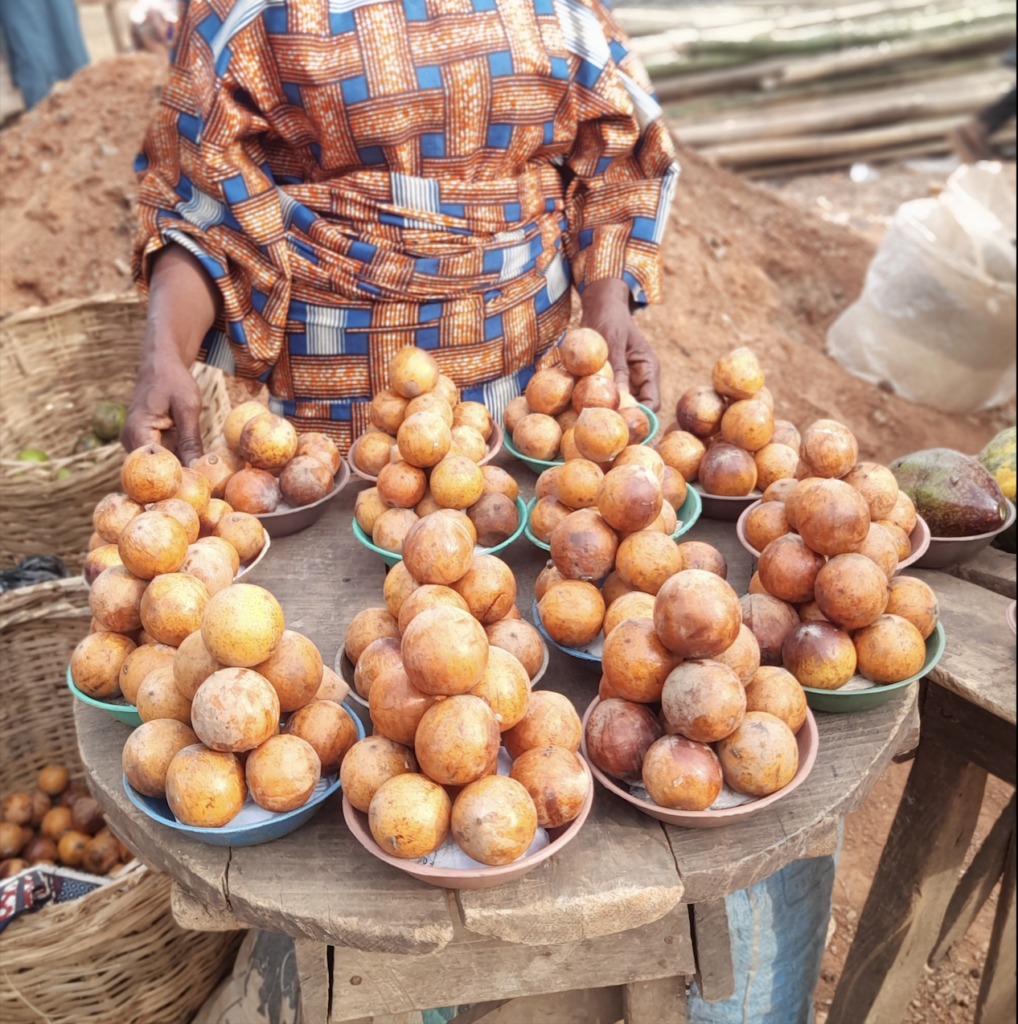
In West Africa, the White Star Apple is valued for its rich vitamin content, medicinal uses, cultural importance, and contributions to household incomes. Despite its economic and cultural relevance, this plant species has remained genetically under-characterized, limiting opportunities for conservation, varietal improvement, and industrial applications. The latest genome fills this critical gap. Using PacBio HiFi long-read sequencing combined with Omni-C scaffolding, an 822 Mbp haploid genome assembled into thirteen chromosomes was produced. This resource provides, for the first time, a comprehensive view of the genetic basis underlying this plant's nutritional, medicinal, and metabolic properties.
“Aside from the biological relevance of this dataset, the collaborations set in place and support from different parties are the key aspects for the success of this project. There is a huge opportunity to expand the lessons learned across countries in Africa and strengthen the capabilities in utilising it for basic and applied research on the ground”, said Sadik Muzemil, Bioinformatician, University of Liverpool, and Honorary Research Fellow at University of Warwick, UK, who performed the manual curation, amongst other contributions.
“The Agbalumo genome paves the way for identifying genes controlling starch, glycemic index, antioxidants, and specialised metabolites; enabling targeted breeding, nutraceutical development, and metabolic engineering. This enhances fruit quality, functional food use, and precision nutrition, while supporting conservation efforts to protect the species and sustain local livelihoods amid habitat degradation”, said Yedomon Ange Bovys Zoclanclounon, Postdoctoral Researcher, Rothamsted Research, UK, who generated the circos plot.
Beyond its scientific value, the research demonstrates the rapidly expanding genomic and bioinformatics capabilities within Africa. All the sequencing, assembly, annotation, and validation was conducted using local expertise and infrastructure, contributing to project-based capacity building and strengthening. The collaboration also highlights the strengthening of partnerships among African research organizations, enabling high-impact genomic discoveries that directly benefit local communities and ecosystems.
“Endemic African plant species have been historically undervalued and underutilised in modern genomics science. This is self-evident in the number of plants sequenced globally; the number of endemic African plants sequenced locally in Africa; translation and use of plant metabolic and biochemical components; and compliance with the ethical, legal, and social implications that power discoveries associated with plant genetic resources and DSI. I am particularly proud that the White Star Apple genome project shows, yet another example, how plant genetic research could be done on the African continent for the betterment of the African people”, said ThankGod Echezona Ebenezer, Founder and Co-Chair, African BioGenome Project, who performed leadership responsibilities, amongst other contributions.
This newly generated genome will support ongoing efforts to conserve the White Star Apple, which faces threats from habitat loss, overexploitation, and environmental change. It will also enable future research into fruit quality traits, phytochemical pathways, domestication potential, and improved propagation practices. For breeders, nutritionists, conservationists and policymakers, the genome offers a foundational tool to unlock the species’ agricultural and economic potential.
Inqaba Biotec, together with its partners, celebrates this achievement as a landmark contribution to African genomics. The institutions look forward to future collaborations that advance the understanding, conservation and sustainable use of Africa’s plant biodiversity.
The Inqaba Biotec is a corporate partner of the African BioGenome Project
Related links:
- Africa: sequence 100,000 species to safeguard biodiversity
- The Next Frontier for African Genomics – Safeguarding African Biodiversity
- Unlocking the African bioeconomy and strengthening biodiversity conservation through genomics and bioinformatics
- Contributions of African biodiversity genomics and bioinformatics to the One Health nexus
- Inqaba-African BioGenome Project Genome Challenge 2022
- Inqaba Biotec and UNISA to launch Africa’s first PacBio Revio sequencing platform
- Expanding African biodiversity genomics to meet global biodiversity goals
For Media Enquiries:
This press release was previously published by Inqaba Biotec: https://www.inqababiotec.africa
AfricaBP Media:
Fatu Badiane, Ph.D.
Chair, Communication and Public Affairs Subcommittee
African BioGenome Project
Contact: info@africanbiogenome.org
Website: https://africanbiogenome.org
About AfricaBP:
The African BioGenome Project (AfricaBP) is a coordinated pan-African effort to build capacity (and infrastructure) to generate, analyze and deploy genomics data for the improvement and sustainable use of biodiversity and agriculture across Africa.
Wow! This is very very interesting. I’m extremely excited about the genetic research on white African Apple. It is consumed a lot in my community (Igbo tribe in Nigeria), most other parts of Nigeria and most places in Africa as a whole. I’m interested in the phytochemical pathway research. Well done to all the teams involved in the genomic research👍